What's Hiding in Tap Water
Even "clean" mains water carries a cocktail of contaminants picked up from old pipes, agricultural run-off and the treatment process itself. Boiling does nothing for most of them.
What It Does to Your Health
Lead exposure is linked to impaired brain development in children — affecting learning, attention and IQ at levels once thought safe. Chlorine by-products and nitrates add further long-term strain.
PFAS are the real concern: nicknamed "forever chemicals," they never break down and never fully leave the body — accumulating in your blood year after year and linked to immune, hormonal and cancer risks that science is still uncovering.
Cheaper Than Bottled Water
A T3-M produces unlimited pure water straight from your tap. Replacement cartridges are inexpensive and last for months:
CF pre-filter €25 · CBM mineral €30 · RO membrane €52.
Or grab the 2-Year Bundle for €200 (4× CF, 2× CBM, 1× RO) — saving €12 and the hassle. No subscriptions, no recurring payments: buy once and forget about it.
● Bottled Water — Family of 4
- Average price per litreLidl/Aldi €0.30 + Tesco/Dunnes €0.50 ÷ 2€0.40
- Per person, per day2 litres × €0.40€0.80
- Whole family, per day€0.80 × 4 people€3.20
- Cost per year€3.20 × 365 days€1,168
● T3-M Filtered Water — Family of 4
- 2-Year Cartridge Bundle4× CF + 2× CBM + 1× RO€200
- Cost per year€200 ÷ 2 years€100
- Professional installationone-off, included free€0
- Cost per year+ unlimited pure water & health benefits€100
Know Exactly What's Inside Your Tap Water
& The Effects It Has Over Long-Term Consumption
Mains water is treated, not pure. Here's what can remain in it — and what each contaminant does to the body over years of drinking it.
Lead
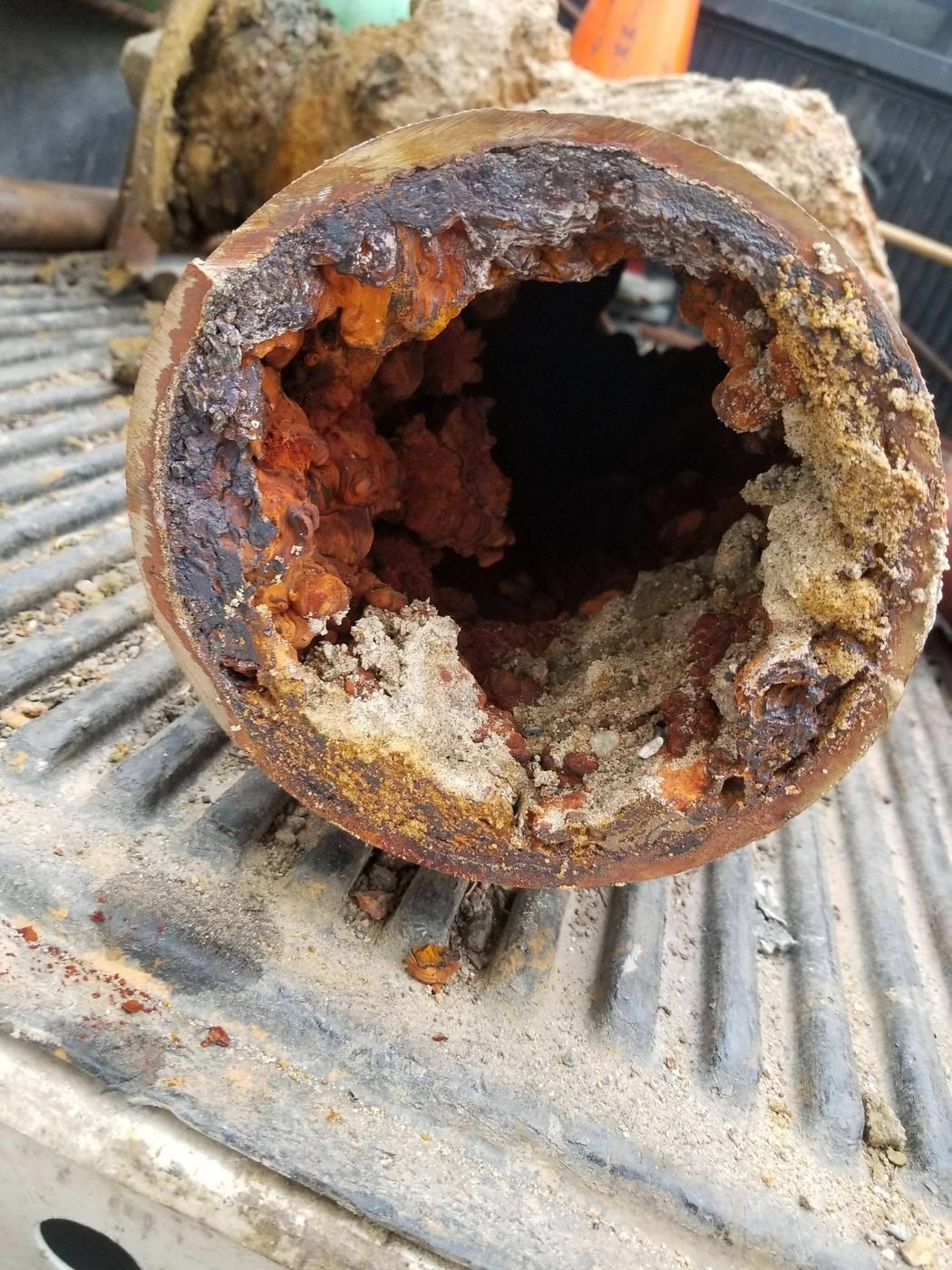
No amount of lead in drinking water is considered completely safe. Regular long-term exposure to even low levels can harm your health:
- In babies and children, lead exposure can affect brain development and cause learning and behaviour problems.
- In pregnant women, lead can cross the placenta and harm the unborn baby.
- Long-term exposure can also cause kidney damage, high blood pressure and possibly increase cancer risk.
PFAS — "Forever Chemicals"
PFAS (per- and polyfluoroalkyl substances) are man-made chemicals created around WWII by bonding carbon and fluorine for strength, stain, grease and water resistance. Used in up to ~14,000 everyday products, they barely break down — building up in water supplies and in the body.
- Linked to kidney, testicular and liver cancers and liver toxicity, and to rising early-onset cancers (colon, liver) in younger people.
- Developmental & reproductive effects: low birth weight, accelerated puberty, reduced fertility and pregnancy-induced hypertension.
- Weaken the immune system (lower vaccine effectiveness) and are tied to obesity, type-2 diabetes, heart disease, high cholesterol and reduced kidney function.
Chlorine
Added to disinfect mains water, but it carries short-term nuisances and long-term concerns:
- Taste & odour: a chemical, bleach-like or metallic taste and smell.
- Gut discomfort: high concentrations can irritate the stomach lining, causing minor bloating, cramps or nausea.
- Disinfection by-products (DBPs): when chlorine meets organic matter it forms trihalomethanes (THMs) and haloacetic acids (HAAs). Chronic exposure is linked to a disrupted gut microbiome, higher bladder and colorectal cancer risk, aggravated asthma/allergies, and possible pregnancy risks.
Fluoride
Added to Irish water to reduce tooth decay, but excessive long-term intake carries risks:
- Dental fluorosis: white streaks or mottling on children's developing teeth.
- Skeletal fluorosis: years of high intake can stiffen joints and weaken bones.
- Emerging research links high exposure in pregnancy and childhood to lower IQ and thyroid disruption.
Bacteria & Microbes
Mains water can still carry microbial contamination — especially from old pipes, storage tanks or private wells:
- E. coli, coliforms, cryptosporidium and giardia can cause vomiting, diarrhoea and stomach cramps.
- Especially dangerous for infants, the elderly, pregnant women and anyone with a weakened immune system.
- Frequent boil-water notices across Ireland show how often microbes get through.
Limescale (Hard Water)
Dissolved calcium and magnesium make water "hard." Not directly dangerous, but a constant daily nuisance:
- Scale build-up clogs kettles, pipes and appliances, shortening their lifespan.
- Leaves a chalky film on dishes and glassware, and a dry feeling on skin and hair.
- Can give water a cloudy look and a slightly bitter, mineral taste.
Nitrates
Mostly from agricultural fertiliser and run-off — a major issue in rural Irish supplies:
- Convert to nitrites in the body, reducing the blood's ability to carry oxygen.
- Cause "blue baby syndrome" (methaemoglobinaemia) — dangerous for bottle-fed infants.
- Long-term high intake is linked to an increased risk of certain cancers.
Microplastics
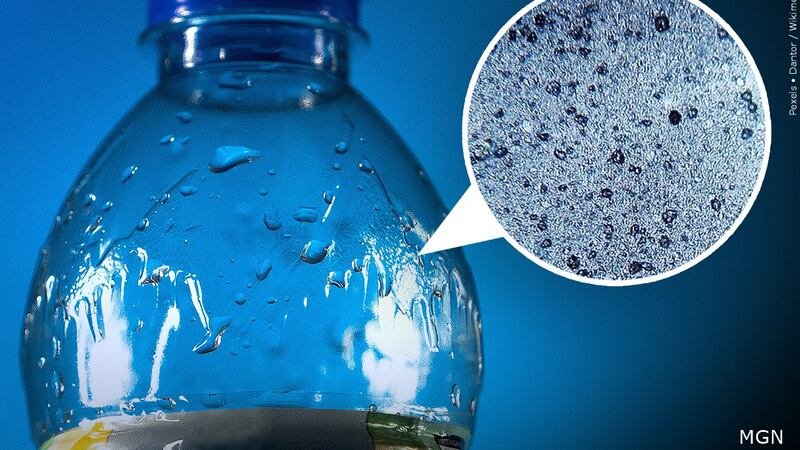
Tiny plastic particles now found in both tap and bottled water worldwide:
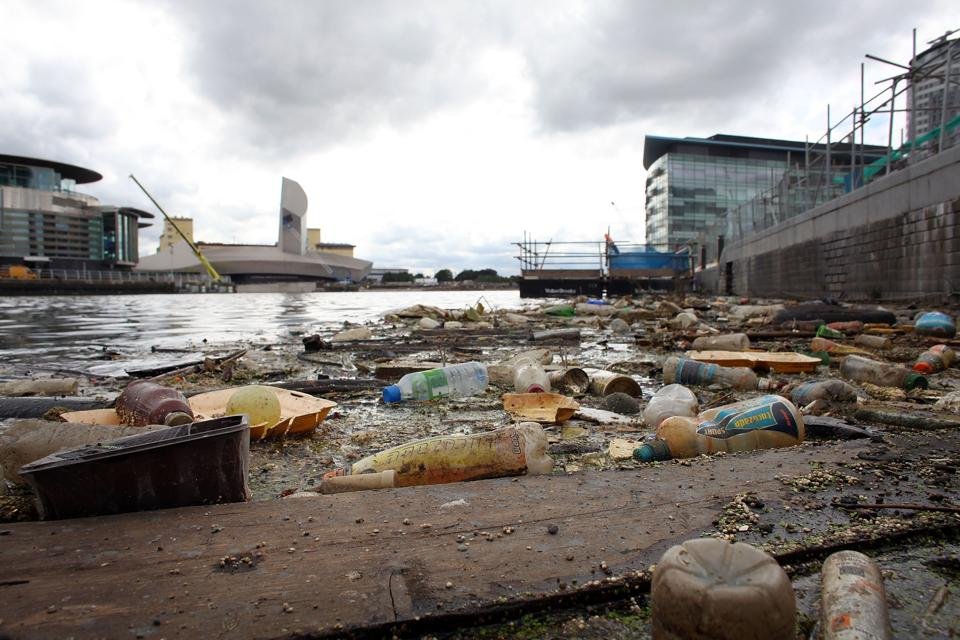
- Shed from pipes, packaging and general environmental pollution.
- Can carry absorbed chemicals and bacteria into the body.
- Early research links accumulation to inflammation and potential hormonal and cellular effects still being studied.